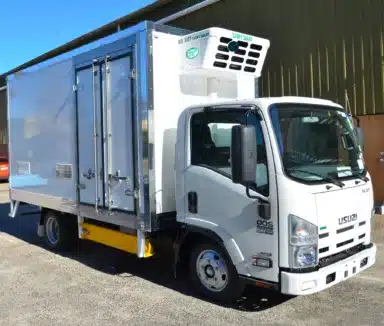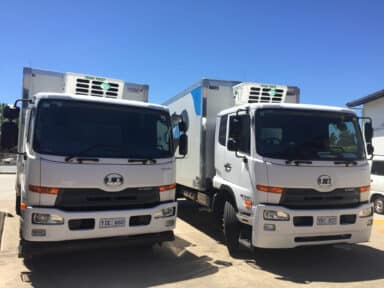
How van refrigeration supports safe pharmaceutical transport
July 28, 2025

If you’ve ever worked in a pharmaceutical warehouse, been responsible for coordinating deliveries, or even worked on the production floor of a lab, you’ll know that there’s no room for error when it comes to medicine.
Proper transportation of sensitive medications and vaccines is essential for maintaining their efficacy and safety. Van refrigeration for pharmaceutical transport is vital in this process by providing temperature-controlled environments that keep medicines at the correct temperatures.
With Melbourne swinging between scorching 40°C days and cold snaps (sometimes even within the same week), the importance of temperature control during pharmaceutical transport cannot be overlooked.
With more than 30 years of experience in the provision of custom-built systems, Tranzfreeze can provide tailored refrigeration solutions to suit any industry. For advice on transporting pharmaceuticals as safely and efficiently as possible, get in touch with our team today.
What is the cold supply chain?
When we talk about the cold supply chain, we’re talking about the transport of pharmaceutical products that need to be kept at specific low temperatures. With a growing number of specialised medications requiring temperature control (particularly injectable and biological drugs), a reliable cold chain is more important than ever.
Medical van refrigeration plays a crucial role in this process, ensuring that sensitive pharmaceuticals are stored and delivered safely without compromising their integrity.
What sorts of medicines are temperature sensitive?
Many pharmaceutical products must be stored and transported between 2°C and 8°C to remain safe and effective. While some can tolerate being at room temperature for short periods, this can reduce their shelf life and reliability.
Some common temperature-sensitive medicines include:
- Asthma inhalers
Some aerosol inhalers require refrigeration to remain effective. These medications are used to relieve long-term inflammation in the airways and must be kept within the correct temperature range to ensure they work properly when needed. - Insulin
Certain types of insulin are highly sensitive to temperature changes. Exposure to temperatures below 2°C or above 8°C can cause the insulin to degrade, become ineffective, or even dangerous. Cold-chain transport is vital for maintaining its stability. - Vaccines
Many vaccines must be kept at very low temperatures (some even as cold as -70°C) to remain viable. Once thawed, they must be used quickly before losing potency.
Medical van refrigeration helps to maintain precise conditions during transport, allowing for the safe and timely delivery of lifesaving pharmaceuticals.
Why delivering pharmaceuticals isn’t the same as delivering other goods?
Transporting pharmaceuticals is nothing like delivering pallets of drinks or food. You’re not just moving boxes, you’re moving high-value, high-risk goods where even the slightest temperature variation can cause irreversible damage. A single shipment of insulin or vaccines can be worth tens of thousands of dollars, and from the outside, you’d never know if it’s been compromised.
Unfortunately, the danger lies in the invisible. A few degrees too warm or too cold, and the medicine may no longer be safe or effective. Yet it could still look perfectly fine. This is why precision matters.
According to the World Health Organisation (WHO), up to 25% of vaccines are wasted globally due to cold chain failures. Imagine that kind of loss happening at a rural clinic or regional hospital counting on a vital delivery.
Cold chain logistics is about much more than refrigeration. It’s a carefully coordinated system that relies on:
- Accurate timing
- Reliable, properly equipped vans
- Trained drivers who understand the goods
- Clear, consistent communication from dispatch to delivery
A single misstep at any point can lead to lost products, wasted resources, and potentially serious consequences for patients who depend on those medications.
What are the TGA’s rules around transporting pharmaceuticals?
In Australia, the Therapeutic Goods Administration (TGA) mandates strict rules for the cold chain transport of pharmaceuticals to ensure product integrity and efficacy. Compliance with these regulations is crucial to prevent product spoilage and maintain patient safety.
Key requirements include:
- Temperature control
Pharmaceuticals requiring cold chain management must be transported within the temperature range specified (usually 2°C to 8°C for refrigerated items). - Validated systems or monitoring
Transport conditions should be validated using appropriate temperature control systems or monitored to ensure the cold chain is maintained. - Prompt transfer
Upon receipt, cold chain medicines should be moved quickly to storage within the designated temperature range. - Packaging
Packaging should minimise the risk of temperature excursions during transport. - Documentation
Detailed records of temperature monitoring, batch numbers, expiry dates, and other relevant information must be maintained. - Contingency planning
Procedures should be in place to address potential breaches of the cold chain, including power outages or equipment failure. - Risk assessment
A thorough risk assessment should be conducted to identify potential vulnerabilities in the cold chain and implement appropriate mitigation measures. - Personnel training
All personnel involved in the cold chain process, including van drivers, must be adequately trained on procedures and protocols.
By adhering to the TGA’s rules and implementing robust cold chain management practices, companies can ensure the safe and effective delivery of temperature-sensitive pharmaceuticals.
Ensure safe pharmaceutical transport with Tranzfreeze
In pharmaceutical transport, there’s no margin for error. From maintaining strict temperature ranges to complying with TGA regulations, every link in the cold chain must work seamlessly to protect the integrity of lifesaving medicines. Refrigerated vans play a crucial role in this process.
At Tranzfreeze, we understand the complexities of pharmaceutical cold chain logistics. Whether you’re delivering vaccines, insulin, or specialty drugs, we can help you do it safely, efficiently, and in full compliance of industry standards. Reach out today for more information.
Our blog
Latest News