Truck vs Van Refrigeration Units: Which One Suits Your Business Best?
December 15, 2025

Choosing the right refrigerated vehicle is an important decision for any business that transports temperature-sensitive goods. Whether you work in food and beverage, pharmaceuticals, or floristry, the right cooling system helps protect your stock and keeps your deliveries consistent. Vans and trucks each offer advantages depending on your load size, delivery route, and temperature needs.
This guide explains the differences between truck vs van refrigeration so you can choose the option that suits your operations.
Key points
- Refrigerated vans suit smaller loads, city routes, and frequent stops.
- Refrigerated trucks are better for larger loads and longer delivery runs.
- Temperature range, payload, and route type are major factors when choosing between the two.
- Tranzfreeze provides Australian-built refrigeration systems for both vans and trucks, designed for local conditions.
Understanding your delivery requirements
The first step is to look at how your business operates day to day. Load volume, delivery frequency, and route type all influence the type of refrigerated vehicle that will work best. Many food and beverage operators in Melbourne run mixed delivery patterns across metro and regional areas, while pharmaceutical suppliers often need precise temperature control. Floristry businesses typically work with lighter loads but require stable cooling throughout the day.
Each of these industries has different expectations for payload, temperature range, and efficiency, so choosing between a van or truck comes down to how these elements line up with your workflow.
When a refrigerated van is the better fit
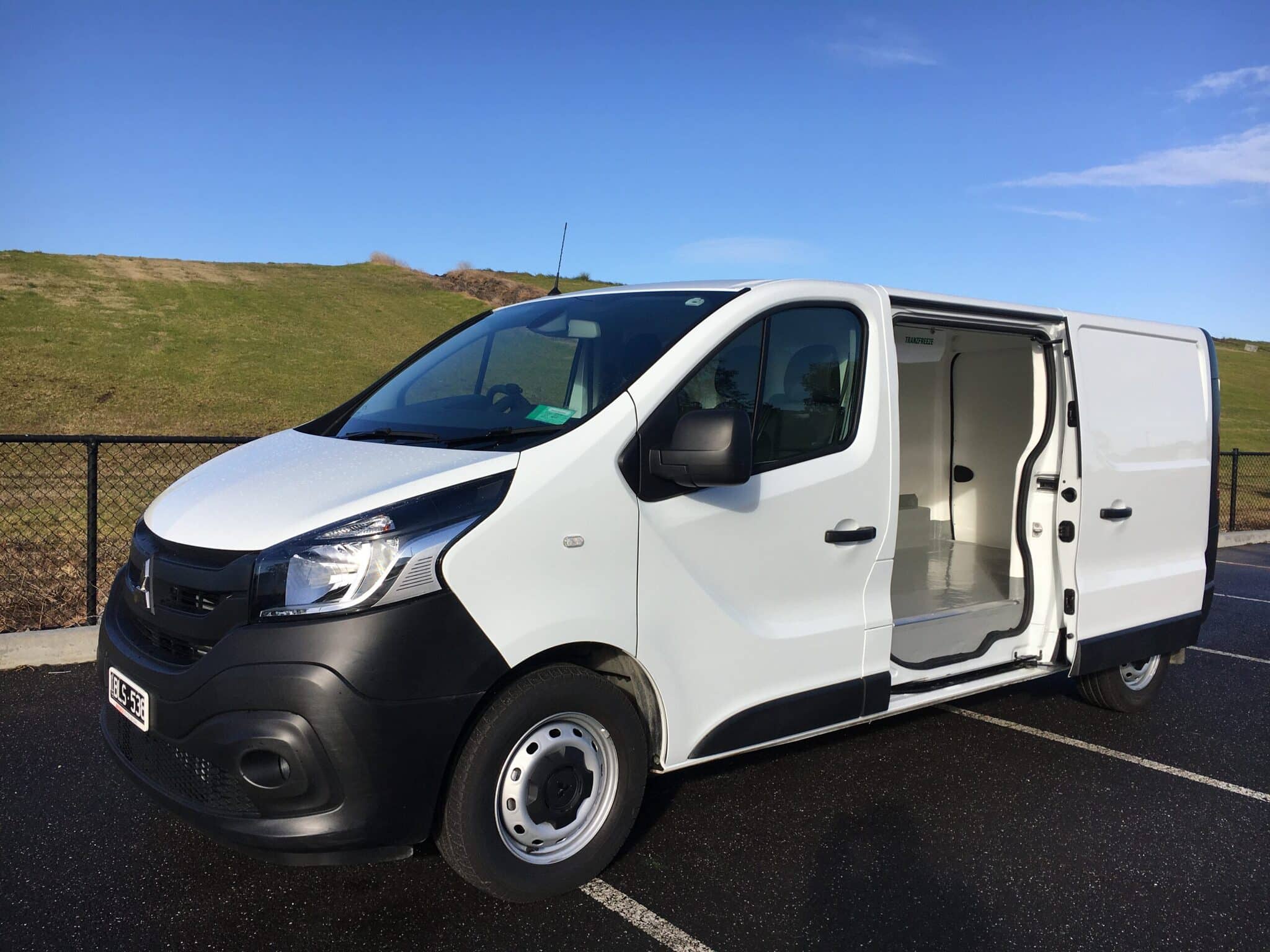
Refrigerated vans are a practical choice for small to medium deliveries. They are easy to navigate through busy metro areas, cost-effective to run, and suited to operators who make frequent stops. Vans also work well for businesses that need quicker loading and unloading.
Tranzfreeze offers van refrigeration systems that can be configured for many makes and models and tailored to your temperature needs. These systems are designed for Australian conditions and can support reliable cooling performance across a range of industries.
Industries that benefit most from vans
- Food and beverage: Ideal for frequent deliveries to cafes, restaurants, and independent grocers.
- Pharmaceuticals: Suits smaller medical supply runs that depend on consistent temperatures.
- Floristry: Light loads and time-sensitive deliveries are well matched to a van’s flexibility.
When a refrigerated truck makes more sense
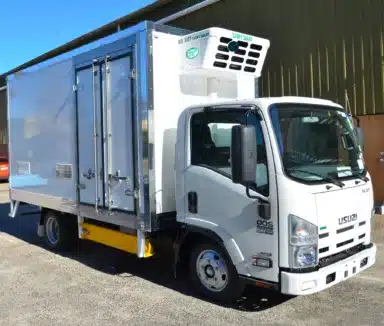
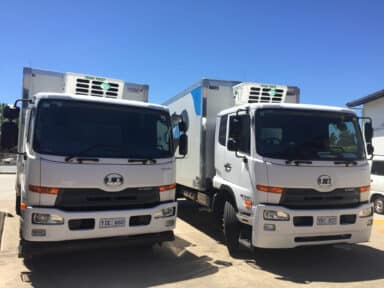
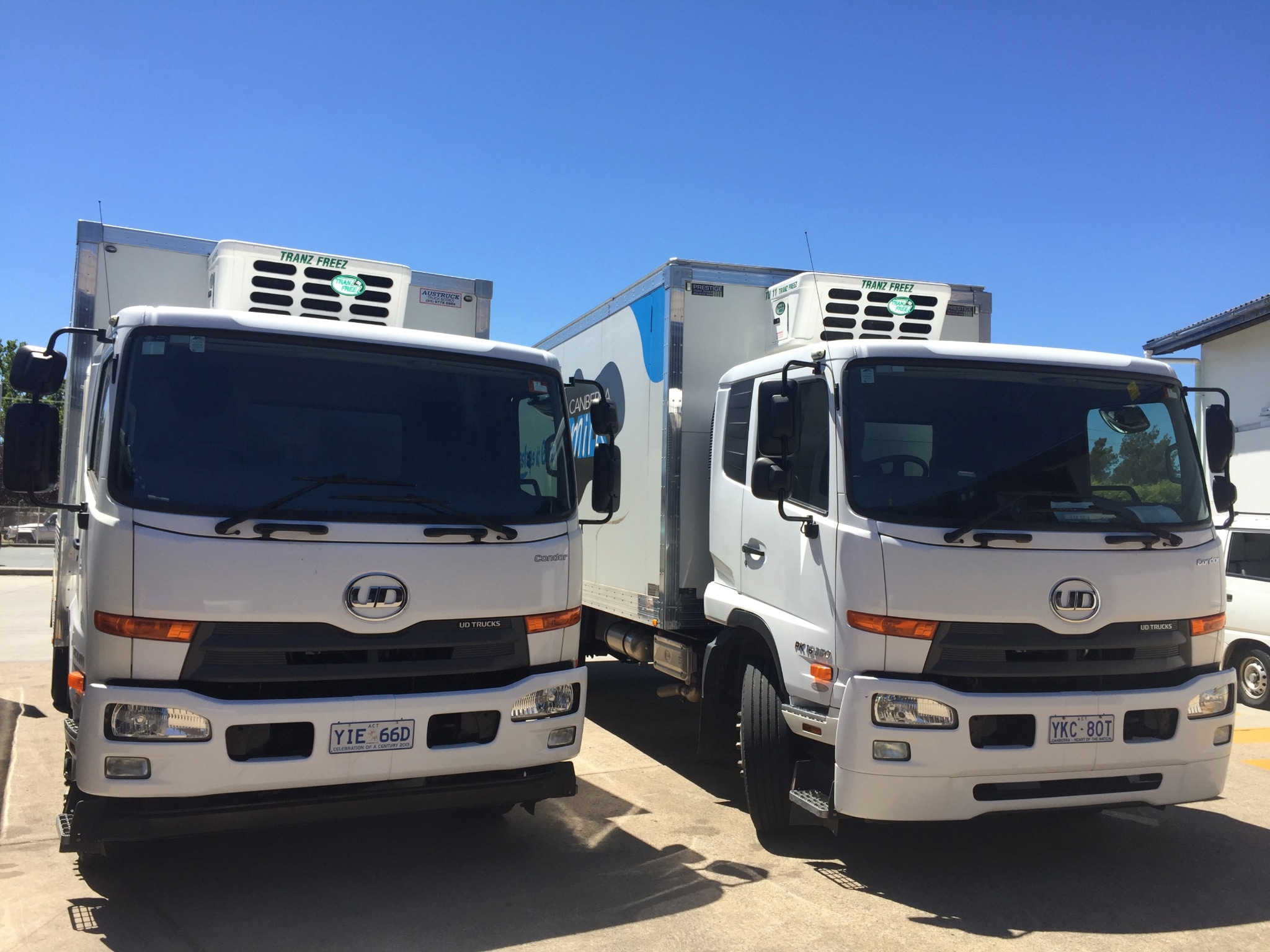
A refrigerated truck is the better option when your business handles larger volumes, requires more robust cooling capability, or completes long regional routes. Trucks offer more space, stronger insulation, and greater temperature control across different load types.
Tranzfreeze builds truck refrigeration units in Australia, with systems suitable for bodies from about 2.4 m to 7.6 m. These units can be custom-built to support a wide temperature range and are engineered for local weather and road conditions.
Suitable applications for trucks
- Bulk food and beverage distribution.
- Wholesale deliveries to supermarkets and independent retailers.
- Large produce or floral supply runs.
Key differences between truck and van refrigeration
Choosing between a truck and a van comes down to how these factors match your day-to-day operations.
| Factor | Vans | Trucks |
| Load volume | Small to medium loads | Medium to large loads |
| Route type | Metro, high-frequency stops | Regional, bulk distribution |
| Temperature capability | Suitable for standard chilled goods | Wider range, including frozen products |
| Running costs | Generally lower | Higher due to size and capacity |
| Manoeuvrability | Easy in traffic and tight streets | Better for planned routes, but less flexible |
If you transport varied temperatures or need multi-compartment setups, a truck may give you the extra space and control required. If you focus on quick, local deliveries, a van usually offers better handling and efficiency.
How Tranzfreeze helps you choose the right system
Tranzfreeze provides tailored refrigeration solutions based on your cargo type, temperature needs, and working environment. Their process looks at your typical routes, payload, and duty cycle to configure the best unit for your vehicle. With Australian-made equipment, installation, servicing, and long-term support, Tranzfreeze helps businesses keep their deliveries running smoothly.
If you are unsure which option is right for your fleet, the Tranzfreeze team can assess your requirements and recommend the most suitable system.
Ready to upgrade your refrigerated vehicle?
If you are planning to expand or update your refrigerated fleet, the Tranzfreeze team is ready to help. Request a quote or contact us to discuss a system that suits your business needs.
Frequently Asked Questions
1. How do I decide between a refrigerated truck or van?
Your choice depends on load size, route type, and temperature needs. Businesses with smaller loads or metro routes usually benefit from a van, while trucks are better for larger deliveries or regional travel. Reliable temperature performance is important in both cases, and Tranzfreeze can configure systems to match your requirements.
2. What industries usually use refrigerated vans?
Refrigerated vans are common in food and beverage delivery, pharmaceutical supply, and floristry. These industries often run smaller loads and need flexibility across metropolitan areas. Vans offer easier handling and lower overall running costs.
3. When is a truck the better option for deliveries?
A truck is suited to businesses that move high volumes or service multiple stops on a fixed route. Trucks provide greater insulation and more powerful refrigeration performance, which is ideal for wholesale food distribution or large floral and produce shipments.
4. What temperature ranges do these vehicles support?
Refrigerated vans generally support chilled temperatures, while trucks can cover a wider span, including frozen goods. Tranzfreeze designs systems that can maintain temperatures from around +4 °C to -25C depending on the unit and vehicle type. This allows operators to meet product-specific requirements.
5. Can Tranzfreeze help tailor a refrigeration system for my vehicle?
Yes. Tranzfreeze offers custom assessments that look at your load type, temperature needs, route conditions, and duty cycle. Their Australian-built systems and support services help ensure consistent cooling performance for your business.
Our blog
Latest News