Truck Refrigeration Systems: What You Need to Know Before You Buy or Upgrade
November 20, 2025
When it comes to transporting perishable goods, the reliability of your truck’s refrigeration system is non-negotiable. Whether you’re in the food delivery business, handling pharmaceuticals, or transporting flowers, ensuring your goods stay at the correct temperature is essential for both quality and safety.
However, selecting the right refrigeration system for your truck can be overwhelming, especially when considering the variety of options and factors that need to be considered. Dive into the key aspects of truck refrigeration systems, helping you make informed decisions before you purchase or upgrade.
How Truck Refrigeration Needs Differ from Vans and Utes
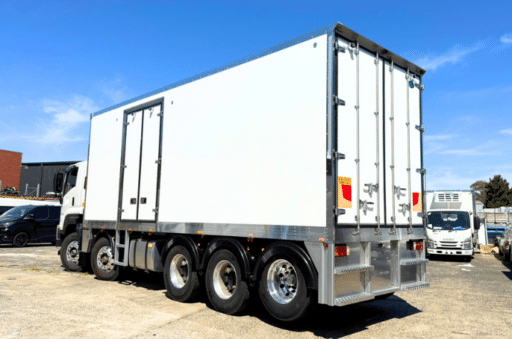
Trucks have very different cooling needs compared to smaller vehicles like vans and utes. The primary differences lie in capacity, operating conditions, and long-distance travel requirements. Trucks are designed to carry much larger cargo, meaning their refrigeration units need to be more powerful and robust to handle the larger volume of goods.
Unlike vans or utes, which may only be used for short-distance trips, trucks are often on the road for much longer periods. This creates unique challenges, such as the need for equipment that can maintain consistent temperatures over long distances, even in harsh Australian conditions. Whether you are transporting food across the outback or pharmaceuticals to city hospitals, your cooling solution must meet the unique demands of the job.
Types of Truck Cooling Units and What They’re Best Suited For
Not all refrigeration systems are created equal, and each type of system has its own set of advantages depending on the type of cargo you’re transporting and the environment in which you’re operating. Here are some of the most common types of refrigeration units for trucks:
1. Front-Mounted Refrigeration Units
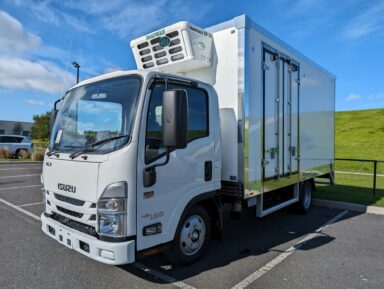
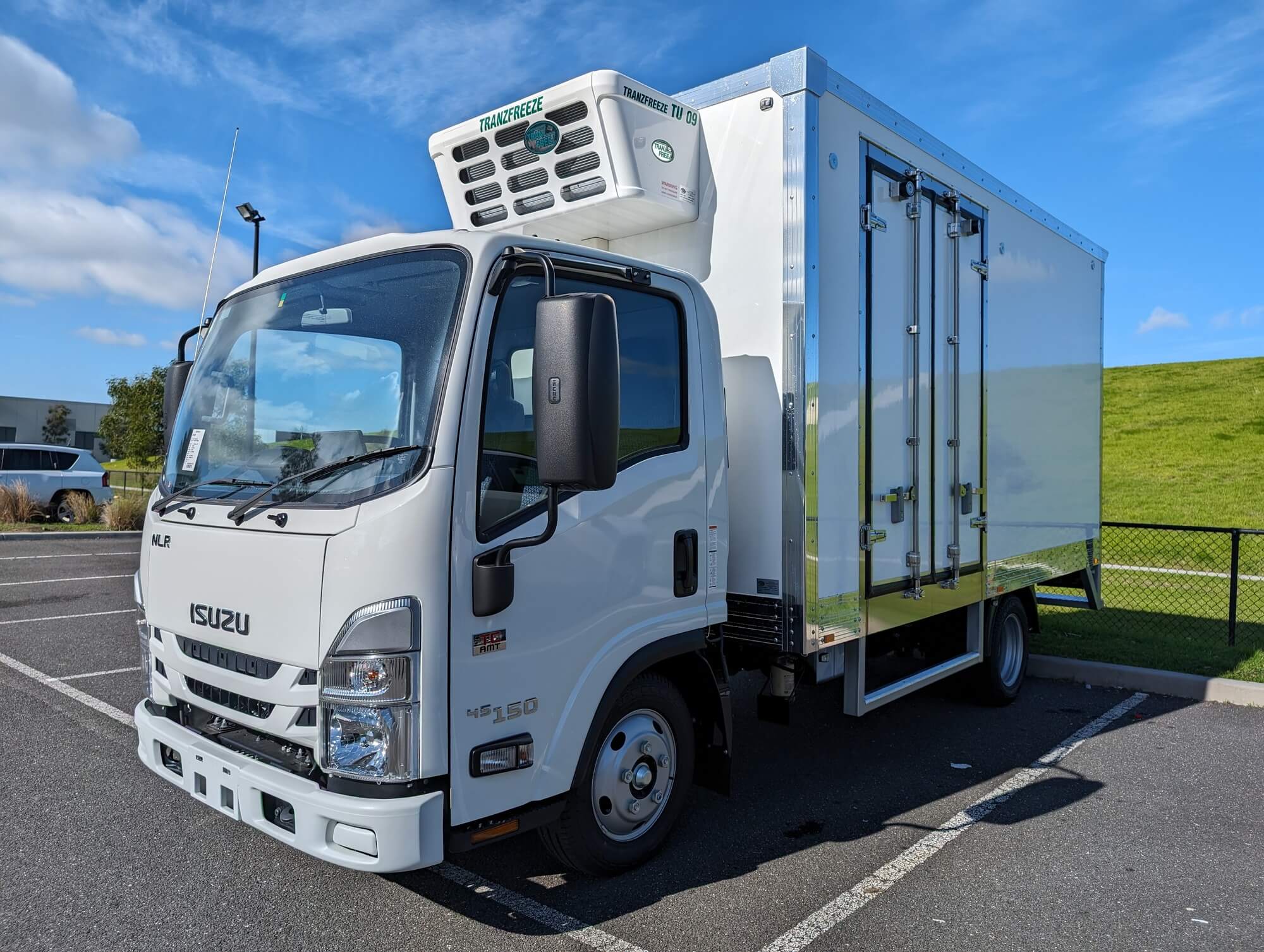
These units are mounted at the front of the truck, offering efficient cooling and greater airflow. Ideal for long-distance hauls, these systems provide consistent and powerful cooling over extended trips.
2. Engine-Driven Units
Powered by the truck’s engine, these units are perfect for heavy-duty operations that require continuous cooling for long durations. These units are typically used in bulk food transport or any business that requires constant refrigeration over extended routes.
3. Electric Units
Electric-powered cooling units are becoming more popular due to their fuel efficiency and environmental benefits. They work independently from the truck’s engine and are particularly useful in urban areas where emission and noise control are a priority.
4. Multi-Temperature Units
If your truck needs to transport different types of products that require varying temperatures, a multi-temperature unit might be the right choice. These systems allow you to control different sections of the truck at different temperatures, making them perfect for businesses like grocery delivery, where some items require freezing while others need to stay cool.
Key Factors to Consider When Choosing a Truck Cooling Solution
Selecting the right refrigeration system for your truck goes beyond just choosing a model; it’s about ensuring that the system matches your cargo requirements, operating conditions, and long-term goals. Consider these key factors before making your choice:
1. Cargo Type
Different types of goods have unique cooling needs. For example, pharmaceuticals require precise and stable temperature ranges, while fresh food transport may involve a broader temperature control range. Knowing the exact needs of your cargo is crucial.
2. Temperature Control
Accurate temperature regulation is vital. Inconsistent temperatures can lead to spoilage, affecting your reputation and the quality of your products. Choose a unit that can provide consistent temperature management for your specific needs.
3. Range and Fuel Type
Fuel efficiency is a major consideration, especially for long-haul trips. Diesel-powered units are often preferred for extended distances, while electric-powered solutions can be a cost-effective option for short, urban routes.
4. Fuel Efficiency
Fuel efficiency isn’t just important for the truck itself; it’s also a key consideration for the refrigeration system. A unit that consumes less fuel will help reduce operational costs over time. Additionally, refrigeration systems that are integrated with the truck’s engine are often more fuel-efficient than systems that operate independently.
Planning for Upgrades or Replacements
As your business grows, so will the demands on your truck’s refrigeration system. Whether you’re operating a small fleet or looking to expand, planning for upgrades or replacements is key to ensuring efficiency and maintaining your competitive edge.
Signs It’s Time for an Upgrade?
Several signs indicate it might be time to upgrade or replace your current refrigeration system:
- Increased Repair Costs: If your unit is frequently breaking down and repair costs are mounting, it may be time for a new solution.
- Decreased Cooling Efficiency: If your current unit is struggling to maintain the required temperatures or is consuming excessive fuel, an upgrade is warranted.
- Outdated Technology: Systems that lack modern features like remote monitoring or energy-saving modes may need replacing.
How to Plan for Upgrades?
Planning involves assessing the needs of your current fleet, understanding future requirements, and determining the right time for an upgrade. Working with an expert like Tranzfreeze can help ensure that your refrigeration systems are designed, installed, and maintained for maximum performance and reliability.
The Importance of Long-Term Service Support
Investing in a truck refrigeration system is just the beginning. To get the most out of your unit, ongoing maintenance and service support are crucial. Routine servicing not only extends the lifespan of your equipment but also helps avoid costly breakdowns that can disrupt your business operations.
Why Long-Term Support Matters
- Emergency Support: Having access to 24/7 emergency support can minimise downtime and reduce the impact of refrigeration failures.
- Preventative Care: Regular maintenance ensures that your systems are functioning at their best, preventing issues before they become costly problems.
Choosing a trusted partner like Tranzfreeze for your service and support needs ensures that you have someone who understands your refrigeration systems and the unique demands of your business.
Keep Your Goods Cool with Tranzfreeze
Choosing the right truck refrigeration system is a key investment in the future of your business. Whether you’re upgrading an existing system or installing a new one, Tranzfreeze provides custom solutions designed for Australia’s unique conditions. We’re committed to offering reliable, efficient, and durable refrigeration systems that meet your business needs.