Refrigerated Vans for Last-Mile Delivery
November 5, 2026

Last-mile delivery is where cold chain work gets hardest. A load leaves the depot properly chilled, then spends the day stopping, starting, and opening its doors in suburban streets. Refrigerated vans are built for this kind of run. After more than 35 years fitting Australian-made refrigeration to vans, the Tranzfreeze team knows what operators want: tight routes, cold product and happy customers.
Key points
- A van is the natural fit for suburban, multi-drop delivery.
- Steady readings rely on the right unit and a calibrated monitoring device.
- Every door opening lets warm air in, so strip curtains and organised racking matter.
- Food, floristry, pharmacy and catering businesses gain the most.
How do refrigerated vans support direct-to-customer delivery?
A refrigerated van holds goods within a set range from pick-up to doorstep, yet stays small enough for one driver to manage a full metro run. That suits home orders and café drop-offs, where loads are modest, but stops are many, and lets businesses deliver themselves instead of paying a logistics provider.
Route efficiency: less time on the road, fresher stock
Chiller vans work well on multi-drop metropolitan routes, where one driver covers many addresses in a single run.
A multi-temp van carries chilled and frozen product in the same delivery run, so one trip covers both. And if your van runs 12 or more hours a day, the van refrigeration unit needs a heavier-duty compressor, which we size for at the design stage.
Temperature consistency from depot to doorstep
Customers expect cold goods to arrive cold, and so do regulators. Food Standards Australia New Zealand requires food businesses to transport food safely. For chilled food, that means 5 °C or below, and frozen food must stay frozen.
Three habits keep readings steady:
- Match the unit to the cargo. Chiller vans run between +4 °C and +12 °C. Freezer vans reach -18 °C to -25 °C.
- Carry a calibrated device. Vehicles need a monitoring device accurate to within ±1 °C.
- Watch the in-cab display. It shows cargo temperature and defrost status, so drivers can check between drops from the seat.
Loading frequency: managing constant door openings
Each stop means warm air rushes in and the unit has to recover. On a busy route that happens many times before lunch, and Melbourne summers make it tougher.
Practical extras limit heat gain:
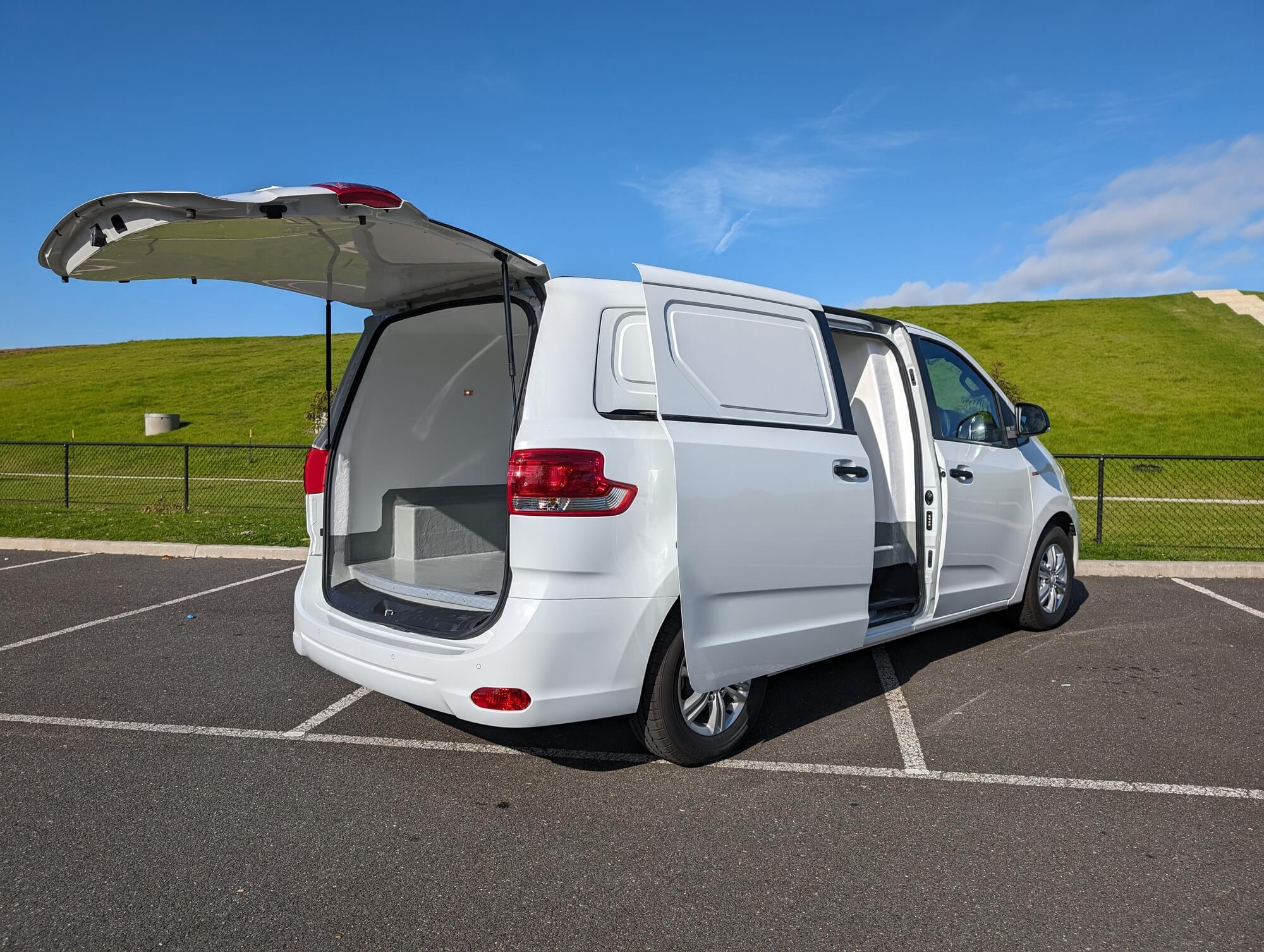
- Strip curtains slow the swap between outside air and cold cargo air.
- Custom racking keeps orders sorted, so drivers find them quickly and shut the doors sooner.
For packing tips, see our guide on loading a refrigerated van for better airflow.
Urban deliveries: suited to city streets
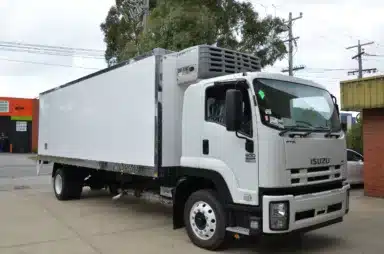
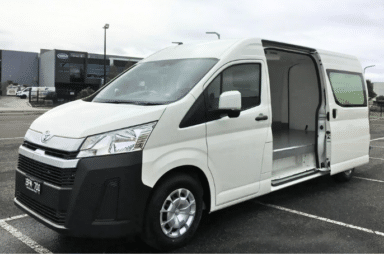
Vans suit smaller loads and metro runs, while trucks suit larger volumes and regional routes. For suburban home delivery, that makes a van the natural choice.
Electric standby runs the unit from mains power while parked, saving fuel and noise overnight.
Customer expectations at the door
When goods arrive safely and in good condition, businesses can offer a higher level of service. That builds customer satisfaction and loyalty, which matters most when you deal with the end customer directly.
Which businesses benefit most?
- Meal and grocery delivery: chilled and frozen orders in one run.
- Butchers and seafood retailers: fresh meat and fish to restaurants and homes.
- Florists: a florist floor and chiller setting keep arrangements fresh between stops.
- Pharmacies and medical suppliers: medicines kept within a steady range.
- Caterers: food moved safely to events and venues.
Planning your refrigerated van installation
Start with what you carry, your stop count and daily running hours. Then choose chiller, freezer or multi-temp, and add extras like strip curtains or racking. Tranzfreeze designs and fits van refrigeration to suit your route, with servicing support after handover.
Frequently asked questions
1. Can refrigeration be fitted to a van I already own?
Yes, we fit units to new and existing vans. Not every model is suitable, so we check yours first. For a new van, check the warranty first.
2. How does a multi-temp van split chilled and frozen goods?
An insulated divider wall separates the cargo area into two zones, with a separate evaporator serving the second zone. It suits cafés, caterers and independent grocers delivering mixed orders on one route.
3. Do I need a special licence to drive a refrigerated van?
It depends on GVM, not cargo. Under 4.5 tonnes, a car licence is fine. Over that, which a fit-out can push some vans past, you’ll need a Light Rigid licence.
4. How long does a refrigerated van installation take?
Most take 1 to 2 weeks from measure-up to handover, depending on the van, the unit and any extras. Multi-temp fit-outs can take a little longer.
5. How often should a delivery van’s refrigeration unit be serviced?
Every 6 months is the standard interval. A service covers refrigerant levels, door seals, condenser coils, and belt tension, and confirms the unit holds its setpoint.