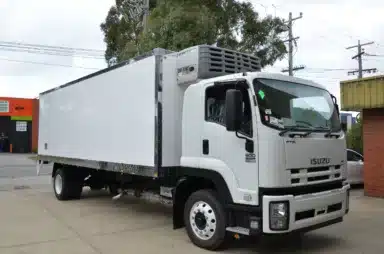
How to Load a Refrigerated Van for Better Airflow
July 31, 2026

Many refrigerated van temperature issues aren’t caused by faulty equipment. In our experience servicing refrigerated vehicles across Melbourne, they’re often the result of how the load is packed.
Even a high-performing refrigeration unit can struggle when airflow is restricted by poorly positioned freight, blocked evaporators, or tightly packed pallets. We’ve seen well-maintained systems work harder than necessary simply because cooled air couldn’t circulate properly throughout the vehicle.
Understanding how to load a refrigerated van correctly can help maintain product quality, reduce strain on refrigeration equipment, and support reliable cold chain performance. Whether you’re transporting food, beverages, pharmaceuticals, or other temperature-sensitive goods, effective loading practices play a critical role in keeping products at the required temperature from dispatch to delivery.
Key Points
- Keep evaporator outlets and return-air channels clear.
- Leave room around freight to allow cooled air to circulate.
- Use pallets or crates to elevate products off the floor.
- Separate warmer goods from temperature-sensitive stock.
- Reduce door-open time during multi-drop deliveries.
Common Loading Mistakes We See During Servicing
Over the years, we’ve found that many cooling problems can be traced back to loading practices rather than refrigeration faults.
1. Stacking Freight Against the Evaporator
One of the most common issues is freight positioned directly in front of the evaporator. This restricts the distribution of cooled air and can create noticeable differences between the front and rear of the vehicle. In many cases, operators assume the unit is underperforming when the real issue is obstructed circulation.
2. Loading Right to the Roof
While maximising capacity may seem efficient, filling the vehicle to the ceiling can disrupt air movement. Without space above the load, some sections may receive less cooling than others.
3. Over-Wrapping Pallets
Shrink wrapping is important for load security, but excessive wrapping can prevent cooled air from reaching products in the centre of the pallet. This is particularly common with dense or tightly packed freight.
4. Mixing Products at Different Temperatures
Loading warmer stock beside already chilled products can increase recovery times and place additional demand on the refrigeration unit. Proper separation helps maintain product quality throughout the journey.
Most of these issues can be avoided with careful loading procedures and a clear understanding of how air moves through a refrigerated vehicle. Small adjustments often deliver significant improvements in cooling performance.

Why Refrigerated Van Airflow Matters
Many operators assume that if the display shows the correct set point, every product inside the van is being kept at the same temperature.
In reality, refrigerated vehicles depend on a continuous cycle of conditioned air moving throughout the load. Air is pushed out by the evaporator and drawn back into the system to be cooled again. When this process is disrupted, warmer zones can develop in certain areas of the vehicle.
This is one of the most frequent causes of uneven cooling we encounter during inspections.
Create Clear Airflow Pathways Throughout the Load
When loading a refrigerated van, it’s important to think about how air will travel around the freight.
Keep evaporator outlets unobstructed and avoid placing cartons directly against return-air channels. Products should also be positioned with some clearance from side walls and rear doors where possible.
Leaving a small gap above the load can also make a noticeable difference. This allows conditioned air to move more freely through the vehicle rather than becoming trapped.
These simple adjustments can improve refrigerated van airflow and help maintain more even conditions across the load.
During servicing, we occasionally inspect vehicles where the refrigeration unit is operating exactly as it should, yet product temperatures vary significantly from front to back. In many cases, restricted air movement is the cause rather than a mechanical fault. Creating clear pathways for conditioned air is one of the simplest ways to improve cooling performance without changing equipment.
Use Pallets and Crates to Improve Cooling Performance
Proper pallet loading in a refrigerated van offers more than handling convenience.
Elevating products creates space beneath the load, allowing conditioned air to circulate underneath as well as around it. This helps reduce temperature variation and supports more uniform cooling throughout the vehicle.
For businesses transporting food, beverages, pharmaceuticals, or other sensitive products, pallets and crates can play an important role in maintaining product integrity.
Separate Warm and Chilled Products
Freshly loaded stock can introduce heat into the vehicle, particularly if it hasn’t been pre-cooled.
Where mixed loads are unavoidable:
- Keep warmer goods separate from chilled products.
- Position sensitive items away from newly loaded stock.
- Maintain sufficient space around each section of the load.
This approach reduces recovery times and helps maintain stable conditions during transport.
Plan Multi-Drop Deliveries Carefully
Multi-drop routes present additional challenges because the cargo doors are opened repeatedly throughout the day.
For Melbourne delivery fleets, this can become particularly noticeable during warmer months when outside temperatures are significantly higher than the set temperature inside the vehicle.
To minimise heat gain:
- Load freight in delivery order.
- Position first-drop items closest to the doors.
- Reduce the time spent locating products at each stop.
- Use strip curtains where appropriate.
These practices help reduce temperature fluctuations and improve efficiency across the entire route.

Pre-Cool and Check for Hot Spots
Before loading begins, the vehicle should already be operating at the required temperature.
Loading products into a warm van forces the unit to work harder and can delay the cooling process. We regularly advise customers to pre-cool the vehicle before any freight is loaded.
It’s also worth checking temperatures in different parts of the load, particularly areas furthest from the evaporator. Identifying warmer sections early can help prevent product issues and highlight opportunities to improve loading procedures.
Improve Refrigerated Van Performance with Tranzfreeze
Loading practices play a major role in maintaining product quality, but they’re only one part of a reliable cold chain operation. The right equipment and regular servicing are equally important.
At Tranzfreeze, we work with transport operators, food distributors, and commercial fleets across Melbourne to deliver dependable refrigeration solutions tailored to Australian conditions.
Whether you’re looking to improve product protection, maintain compliance requirements, or reduce the risk of temperature-related losses, our van refrigeration systems are designed to deliver reliable performance in demanding delivery environments.
To learn more about refrigeration installations, preventative maintenance, and ongoing support, speak with the Tranzfreeze team today.
Frequently Asked Questions
1. What causes poor airflow in a refrigerated van?
Restricted circulation is often caused by freight blocking evaporator outlets, products packed too tightly together, or loads stacked against walls and ceilings. These issues can prevent conditioned air from reaching all areas of the vehicle.
2. Why should pallets be used in a refrigerated van?
Pallets elevate products off the floor, allowing air to move beneath and around the load. This supports more even cooling and helps reduce warm zones.
3. How do I avoid blocked vents in a refrigerated van?
Keep cartons, pallets, and other freight clear of evaporator outlets and return-air channels. Regularly reviewing loading procedures can help prevent circulation restrictions.
4. Why is pre-cooling important before loading?
Pre-cooling allows the vehicle to reach its operating temperature before products are loaded. This reduces stress on the equipment and helps maintain product quality from the start of the journey.
5. How often should a refrigerated van be serviced?
Service intervals vary depending on vehicle usage and operating conditions. However, regular maintenance helps identify wear, airflow restrictions, and component issues before they affect cooling performance or lead to costly downtime.