
Why Truck Refrigeration Struggles in Hot Weather
August 28, 2026
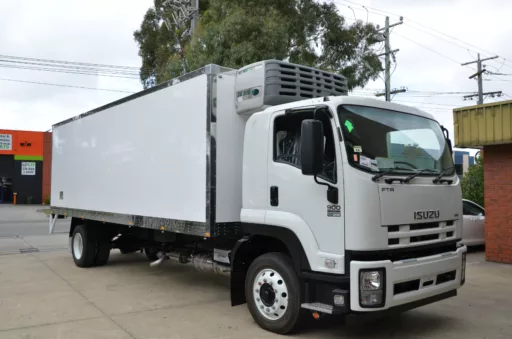
On a 35-degree day in Melbourne, a truck refrigeration unit that cooled all winter perfectly can suddenly seem to lose the fight. The compressor runs longer, and the display creeps above the set point. In most cases, the unit hasn’t failed; it’s just showing small issues that were already there.
At Tranzfreeze, we’ve built and serviced truck refrigeration systems for Australian conditions for more than 30 years, and this pattern shows up every summer. Heat doesn’t create a new fault; it exposes the ones that weren’t enough to matter until the temperature climbed.
Key points
- Slower pull-down in hot weather is often normal, not a fault
- High head pressure is an early warning sign worth acting on
- Condenser airflow and dirty coils cause most heat-related problems
- Door habits and worn seals let heat back in faster than the unit can remove it
Why Pull-Down Takes Longer on Hot Days
A refrigeration unit moves heat out of the cargo area into the surrounding air. On a cool morning, that’s easy, since there’s a big gap between inside and outside temperatures. On a 35-plus-degree afternoon, that gap shrinks, so the compressor works harder for the same result. Some slowdown during summer is expected, but a truck that won’t reach temperature or takes noticeably longer than last summer points to something else going on.
1. High Head Pressure Is a Warning, Not a Quirk
Head pressure rises naturally as ambient temperature climbs, since the condenser has less of a gap to push heat into. A small rise is normal, but a unit that trips repeatedly or runs near its limit on hot days is working harder than it should, shortening compressor life and raising breakdown risk.
2. Airflow Around the Condenser Matters More in Summer
The condenser needs a steady flow of outside air to shed heat, and in summer that airflow is often the first thing to suffer. Parking close to a wall, backing up against another vehicle, or sitting near reflected heat off asphalt all restrict the air it needs, leaving no spare capacity to absorb the loss.
3. Dirty Coils Undo Everything Else
A condenser coil coated in road grime, insects, or dust cannot shed heat efficiently, and this shows up hardest in warm weather. It’s also one of the simplest problems to prevent. Coils cleaned regularly through the warmer months hold performance far better than coils only checked once a fault appears, and this habit prevents more callouts than almost anything else an operator can manage.
4. Door Habits and Insulation That Let Heat Back In
Multi-drop routes mean the cargo doors open often, and every opening lets warm air in that the unit then has to remove again. Worn door seals or gaps around fittings make this worse, leaking heat even while the doors are shut, which is why two trucks with the same setup can perform differently on the same route.
What Operators Can Check Before Calling for Service
A few checks are worth doing first:
- Look at the condenser coil for dirt or debris buildup
- Check whether airflow around the unit is blocked at the usual parking spot
- Confirm door seals are intact and closing fully
- Reduce door-open time on multi-drop routes where practical
These take a few minutes and often explain a hot-weather drop without needing a technician.
When It’s Time to Book a Service
Some signs point to something a driver can’t fix on the spot: repeated high-pressure trips, a unit that won’t reach temperature at idle, unusual compressor noise, or performance noticeably worse than last year. Regular servicing and maintenance picks up most of these issues before they cause a breakdown, and catching them early almost always costs less than an emergency callout mid-route. Even the best-built truck refrigeration unit needs this upkeep. Melbourne has recorded summer days above 42°C in recent years, according to the Bureau of Meteorology, and that kind of heat load tests every part of a system at once.
If any of these signs sound familiar, contact us, and we’ll help work out what’s going on.
Frequently Asked Questions
1. Why does my truck refrigeration unit struggle more in summer?
Hot weather narrows the gap the unit relies on to shed heat, so the compressor and condenser work harder. Some slowdown is normal, but a unit that can’t reach its set point usually has an underlying issue.
2. What does high head pressure mean?
It means the system is working harder than usual to push heat out through the condenser. Occasional small rises on hot days are normal, but frequent trips or sustained high readings are worth having checked.
3. How often should condenser coils be cleaned?
This depends on route and conditions, but coils exposed to dust, insects or road grime need more frequent attention in warmer months. Regular cleaning is one of the most effective ways to protect summer performance.
4. Can door habits really affect cooling that much?
Yes. Every opening lets warm air into the cargo area, which the unit has to remove again. On multi-drop routes in hot weather, this adds up fast.
5. How do I know if it’s time to call a technician?
Repeated high-pressure trips, unusual compressor noise, or a unit that won’t hold temperature at idle are signs the issue needs a technician rather than an operator-side fix. Catching these early costs less than a breakdown mid-route.