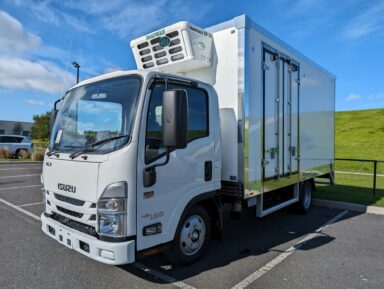
Tranzfreeze Featured Twice in Trailer Magazine
August 1, 2026
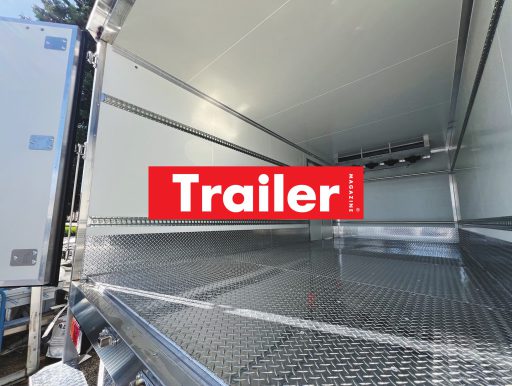
We’re proud to share that we’ve just been featured in Trailer Magazine, in print and online, across two separate pieces. One digs into our engineering process. The other tells the story of a partnership we’ve built with Cool Rentals over almost two decades. Together, they capture something our customers already know: build it properly once, and it keeps working for years.
What the Trailer Magazine profile covered
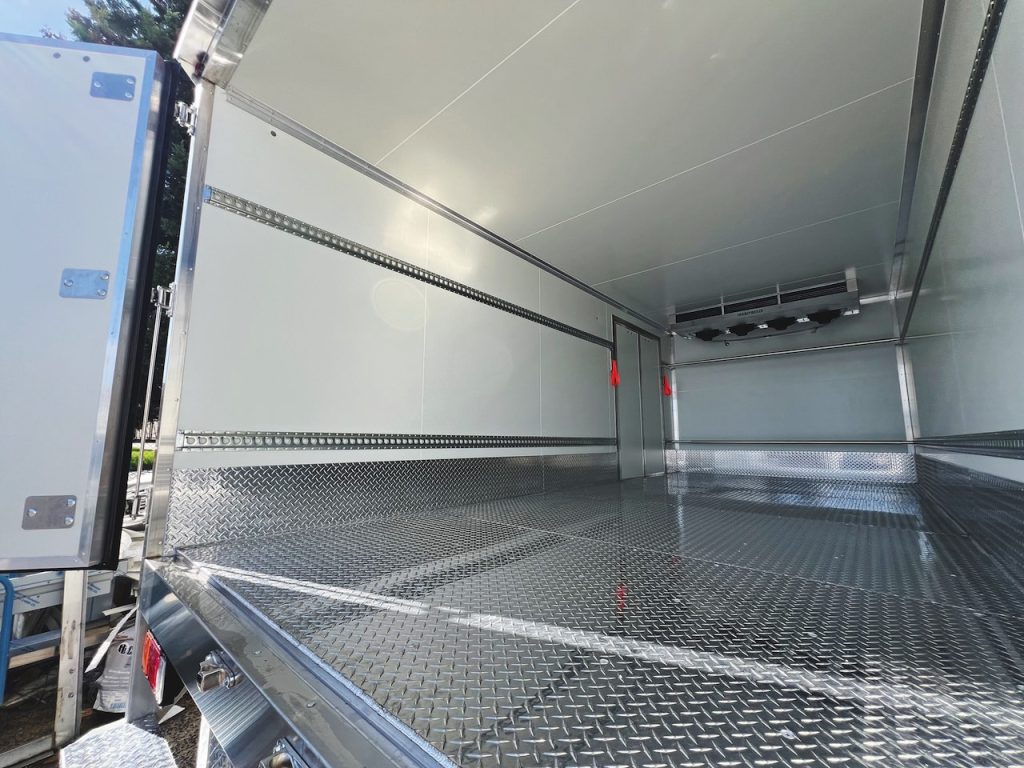
The first article, Tranzfreeze: Australian engineering driving cold chain reliability, looks at what happens behind the scenes at our Dandenong South facility. It describes us as a business with decades in the industry, bridging the gap between standard equipment and properly engineered solutions. It also notes the depth of experience across our team, spanning refrigeration manufacturing, electrical engineering and systems design.
That depth matters because we keep the entire production cycle in-house, from CAD design and simulation right through to fabrication, handled by our own qualified welders and refrigeration mechanics. We don’t outsource any of it, and that’s a big part of why our builds hold up in tough conditions.
The Cool Rentals story
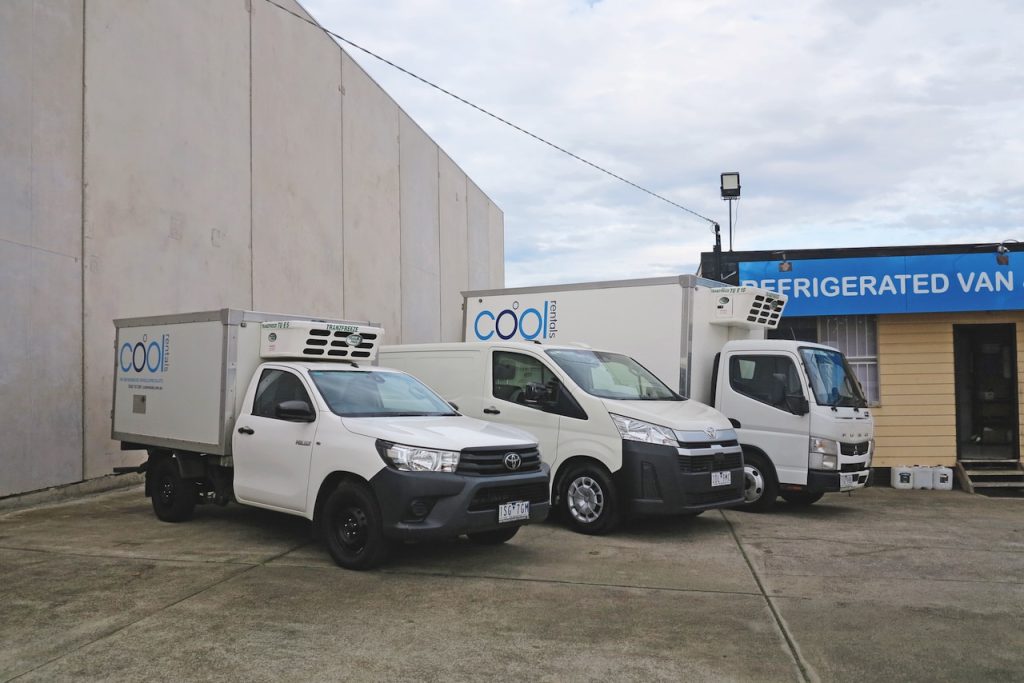
The second article, Lasting performance, tells a more personal story. It looks at how we’ve supported Cool Rentals for close to twenty years, and puts the relationship down to consistent quality, technical know-how and support that actually responds when needed.
The article also explains why our bodies last so long. Customers often retire a truck chassis long before the refrigerated body itself gives out, and simply remount that same body onto a new chassis because it’s still doing its job. Designing and building our units locally, for Australian conditions, is a big part of that, since they’re built to handle the climate and workload variation across the country, not just a single set of conditions. Our customers also deal with one team for the whole job, from the initial build through to ongoing after-sales support, rather than juggling multiple suppliers.
What to look for in a refrigerated truck body builder
The coverage got us thinking about what actually separates a builder that lasts from one that doesn’t. If you’re comparing options for a refrigerated truck body, a few things are worth checking before you commit:
- In-house design and fabrication. When one team handles the CAD design, the build and the fit-out, there are fewer handoffs and fewer places for quality to slip.
- A track record in Australian conditions. Extreme heat, long distances and rough roads test a build differently than milder climates do. Ask how long the builder has been operating locally, and for how long their earlier builds have actually lasted.
- One point of contact for support. If something goes wrong on the road, you want a single team who knows the build, not a chain of suppliers pointing at each other.
- Evidence, not just claims. Independent coverage, customer references and units still running years after handover are worth more than a spec sheet.
We built our own approach around these exact points, which is part of why the Trailer Magazine coverage resonated with us. It’s a fair, outside look at the same priorities we’ve held for decades.
Why it matters for fleet and cold chain operators
It’s one thing for us to say our builds last. It’s another for an independent trade publication, and a customer of nearly twenty years, to say it for us. For operators moving food, pharma or other temperature-sensitive freight, that kind of proven longevity translates directly into fewer unplanned repairs and a lower total cost of ownership over the life of the vehicle.
Read the full features
Both articles are worth reading in full if you’re weighing up a refrigeration partner, whether you’re planning a new build or wondering how long your current setup should realistically last. You can find them at Trailer Magazine, in the current print edition and online.
Got a project in mind, or questions about your fleet’s refrigeration needs? Get in touch with our team, and we’ll talk through what a properly engineered build looks like for your operation.
FAQ
What should I look for in a refrigerated truck body builder?
Look for in-house design and fabrication, a proven track record in Australian conditions, and a single point of contact for ongoing support. Independent coverage and long-serving customers are a good sign the builder’s claims hold up in practice.
What did the Trailer Magazine articles say about Tranzfreeze?
One article focused on our engineering process, from CAD design through to fabrication, and the depth of experience across our team. The other told the story of our partnership with Cool Rentals and why our refrigerated bodies last so long.
Why does local engineering matter for refrigerated vehicles?
Australia’s climate and distances put more strain on refrigeration equipment than most other markets. Designing and engineering our units locally, for Australian conditions, helps us keep performance consistent across the country’s variable climate and operating demands.
How long do your refrigerated bodies typically last?
There’s no fixed number, since it depends on use and maintenance. But it’s common for our customers to retire the truck chassis underneath and remount the same refrigerated body onto a new vehicle, because the body is still performing reliably.
How can I get in touch with you?
You can reach our team through the truck refrigeration page on our website, or by phone or email through the contact details listed there.