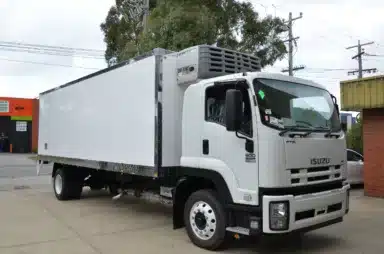
Choosing the Right Refrigerated Van for Your Products
August 20, 2026

Most businesses choose a refrigerated van by size, then budget, then whatever’s available. The product being carried often gets factored in last.
That’s backwards. Food, seafood, medicine, and flowers don’t fail the same way when temperature slips, so the setup that protects one won’t protect another. Getting the van refrigeration units right starts with the cargo, not the vehicle.
Key Points
- Different products fail differently: bacteria, ice damage, and wilting all respond to temperature in their own way.
- Seafood has one of the narrowest safe margins of any product carried in a van.
- Pharmaceutical transport is as much about consistency and records as hitting a number.
- Flowers are damaged by heat, not cold, the opposite problem to most food categories.
- Mixed loads usually call for a multi-temp setup rather than one temperature for everything.
Food and Dairy: Why the 5°C Line Matters
Australia’s food safety rules are built around one number. Potentially hazardous food, which covers most fresh food, dairy and prepared meals, needs to stay 5°C or colder during transport unless a business can show it has an equally safe alternative.
The reasoning is straightforward. Below that line, bacterial growth slows enough to keep food safe for a normal delivery run. Above it, the clock starts ticking, faster as it gets warmer. For a multi-drop business, the real challenge is how quickly the van recovers after each door opening, stop after stop.
Seafood: A Narrower Margin Than Most Businesses Expect
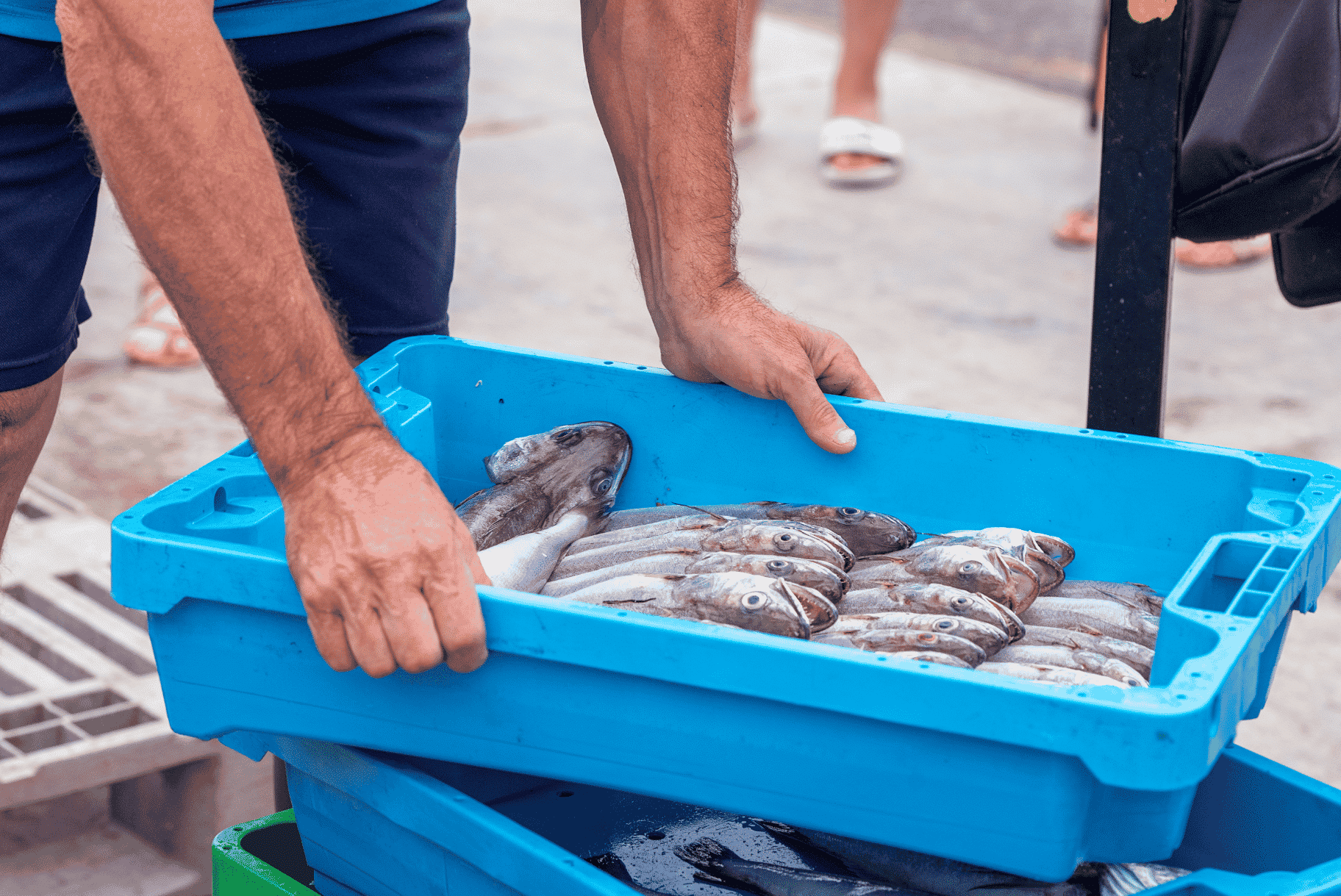
Seafood sits in a tighter band again. Fresh and wet seafood needs to stay no warmer than 5°C, and industry guidance often pushes that closer to 0°C, without letting the product freeze and damage the flesh.
A van that’s perfectly adequate for dairy or packaged goods can still let seafood quality slide, because the margin is smaller and the consequences show up faster, in texture and smell rather than a slow decline.
Pharmaceuticals: Compliance, Not Just Cold
Medicines and vaccines typically need a 2°C to 8°C cold chain that holds from the moment they leave storage until they’re handed over.
What separates pharmaceutical transport from other cargo isn’t the temperature itself, it’s the expectation of continuous, documented performance. A brief excursion outside that range can compromise the product, so the van, the monitoring, and the paperwork all need to work together.
Flowers: Damage Happens Above the Line, Not Below
Cut flowers flip the usual logic. Most varieties, roses included, hold quality best between 0°C and 2°C, and the risk runs opposite to food. It’s warmth that shortens vase life and speeds up wilting, not the cold.
That changes what matters in the van. Airflow and even cooling count for more than raw cooling power, since flowers react to their immediate surroundings rather than facing the bacterial growth risk food does.
Specialty and Mixed Loads: When One Zone Isn’t Enough
Plenty of businesses don’t carry just one product. A caterer might run chilled and frozen stock on the same delivery. A pharmacy courier might mix temperature-sensitive medicine with ambient stock on the same round.
For these operations, a single-temperature van is a compromise no matter how it’s set. The more practical option is a van refrigeration setup split into separate zones, so each product gets what it needs without the other being sacrificed.
What This Means for Insulation and Layout in Practice
None of this points to a single “better” build. It points to matching the build to the failure mode that actually threatens the product.
A frozen seafood run benefits from heavier insulation and a unit that pulls down quickly after each stop. A florist run benefits more from steady airflow and a protective floor than from extra cooling capacity. A mixed pharmacy and grocery round benefits from a bulkhead and independent zones over anything else. Loading practice matters just as much as the build, and our guide on loading a refrigerated van for better airflow covers that in more detail.

Get the Spec Right the First Time
Working out which category your business sits in, and whether it spans more than one, is the part worth getting right before a van gets built.
Talk to our team about what you’re carrying, and we’ll help you land on a setup that matches it.
Frequently Asked Questions
1. What temperature should a van run at for seafood?
Fresh seafood should stay close to 0°C and no warmer than 5°C. Frozen seafood needs to stay well below freezing, typically -18°C or colder, to avoid ice crystal damage.
2. Can flowers and food travel in the same van?
Only with a multi-temp setup. Flowers generally need 0°C to 2°C with good airflow, while food often needs to stay below 5°C, and running both in one zone usually means compromising on at least one.
3. Do pharmaceutical deliveries need extra documentation?
Most do. Beyond keeping the product within 2°C to 8°C, many businesses need temperature logs or monitoring records to show the cold chain held during the delivery.
4. How cold does a van need to be for frozen goods?
Frozen goods typically need -18°C or colder throughout transport, which calls for heavier insulation and a higher-capacity unit than a standard chiller setup, particularly on longer routes in warm weather.
5. What if my business carries more than one product type?
A multi-temp van with a bulkhead and separate evaporators usually beats trying to average out the needs of different products. Each zone can then run at the setting its cargo actually needs.