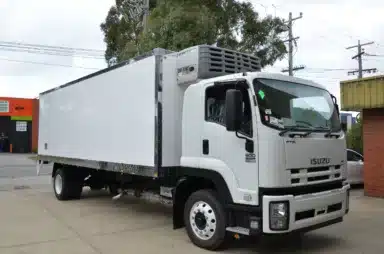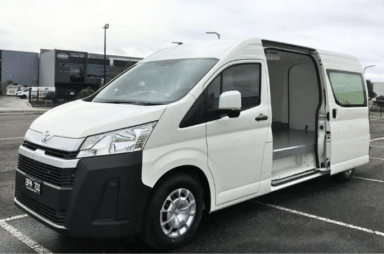
Why a Refrigerated Ute Body Is Ideal for Local Deliveries
March 30, 2026

For many local delivery businesses, a larger refrigerated vehicle is not the best fit. If you are moving boxed chilled or frozen goods through metro and suburban routes, a refrigerated ute body gives you reliable cold transport in a smaller, easier-to-handle vehicle.
That matters because food businesses still need steady temperature control on the road. Food Standards Australia New Zealand says potentially hazardous food should be kept at 5°C or colder during transport. For operators delivering pre-packaged meals, boxed frozen goods, chilled products, and other smaller orders, a refrigerated ute body can be a practical way to keep products at the right temperature without paying for more vehicle than the job needs.
Key points
- A refrigerated ute body suits businesses delivering smaller volumes of chilled or frozen goods in metro and suburban areas.
- It gives you the core features needed for cold transport in a compact, practical format.
- It is well-suited to frequent stops, easier parking, and tighter access.
- Body height, payload, stability, and chassis compatibility all affect how the vehicle performs day to day.
- The best result comes from matching the build to the goods you carry and the routes you drive.
What Is a Refrigerated Ute Body?
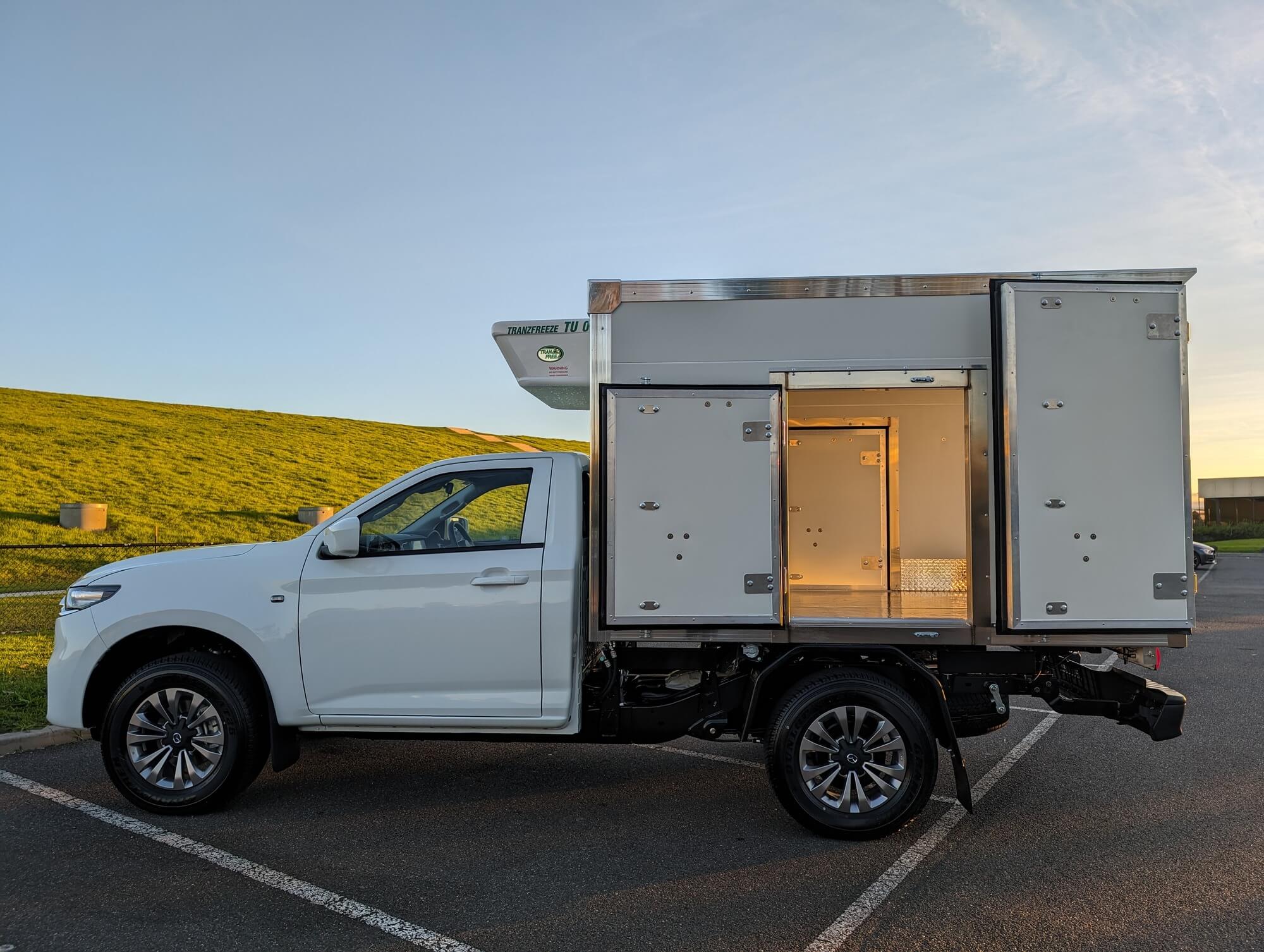
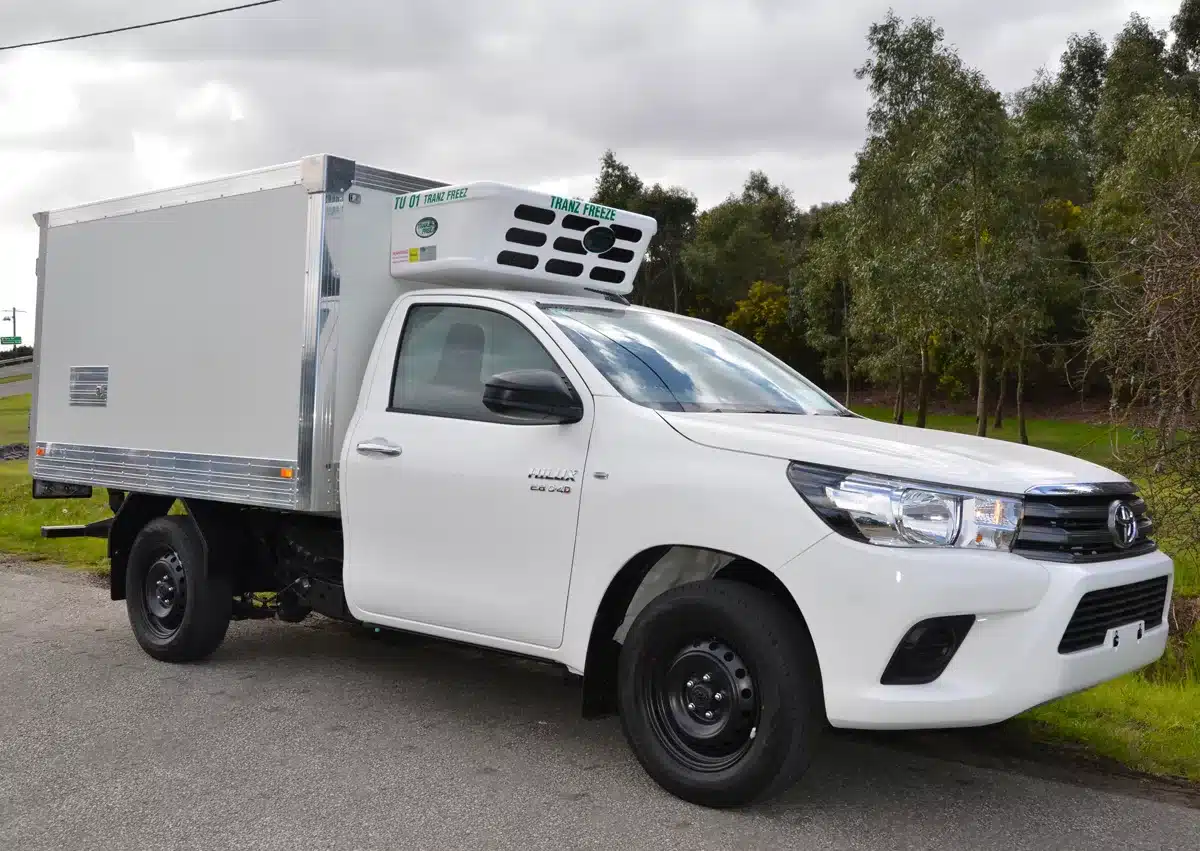
A refrigerated ute body is an insulated body fitted to a ute chassis with a refrigeration system and temperature controls. It is designed to carry perishable stock in a vehicle that is easier to handle for local delivery work.
In simple terms, it gives you the key functions needed for temperature-controlled transport in a smaller and more flexible setup. That makes it a strong option for businesses that need dependable cooling but do not need the size or carrying capacity of a bigger vehicle.
Who Is a Refrigerated Ute Body Best Suited To?
A refrigerated ute body is usually best suited to businesses carrying smaller loads rather than regular high-volume freight. It works especially well for metro and suburban delivery runs where stop-start driving, limited parking, and tighter access are part of the job.
This kind of setup suits businesses delivering boxed chilled or frozen goods, such as pre-packaged meals, ready-made food, dairy products, floristry stock, and other perishable items that need steady temperature control in transit. In many cases, refrigerated ute bodies are better suited to hand-loaded cartons and boxed deliveries than regular pallet work.
As a guide, many operators use this kind of body for one pallet, and in some cases, up to two pallets with the right setup. That makes it a practical choice for businesses moving smaller volumes that still want a professional cold delivery vehicle.
For many operators, the value is simple. A refrigerated ute body can handle daily cold deliveries while still being practical to drive, park, and load.
Why Refrigerated Ute Bodies Work So Well for Local Deliveries
The biggest advantage is fit. A refrigerated ute body is well-suited to shorter delivery cycles, repeat-stop routes, and same-day local drops. Its smaller footprint makes daily work easier in busy suburbs, industrial areas, and built-up streets where space is limited.
Parking is simpler, access is easier, and the vehicle feels more manageable across a full day of deliveries. That can make a real difference for businesses that need to move quickly between customers without dealing with the bulk of a larger setup.
Cost is another reason many operators choose this style of body. A ute-based build can be a more affordable way to step into professional cold transport while still giving you the insulation, refrigeration, and practical loading features needed for everyday work.
Key Features of a Refrigerated Ute Body
Temperature control and monitoring
Cold delivery starts with stable temperatures. A refrigerated ute body is built to maintain the temperature needed for chilled or frozen goods, while giving the driver a clear way to monitor conditions during the day.
Electric standby
An electric standby can be a useful feature for businesses that load early, unload in stages, or want cooling support while the vehicle is parked. It adds flexibility and can help keep products within the required temperature range during busy operating periods.
Floor protection and cargo restraint options
The floor of the body takes constant wear, especially when goods are hand-loaded every day. Protective flooring, tie-down points, and load restraint options can help reduce wear and make the cargo area more practical for regular use.
Door, access, and layout options
One of the strengths of a refrigerated ute body is that the layout can be tailored to the way you load and unload. Door design, internal access, and storage layout all affect how efficiently the vehicle works during daily deliveries.
A useful advantage for some operators is rear pallet loading. With the right body design, you can still load a pallet through the rear doors with a forklift, which can make the vehicle more practical for mixed delivery work.
Body height options
Body height affects both internal space and the way the vehicle feels on the road. A taller body can give you more cubic capacity for lighter boxed freight, while a lower body can suit operators who want a tidier profile for day-to-day local use.
What to Consider Before Choosing a Refrigerated Ute Body
1. Cargo type and payload
A refrigerated ute body is usually best when your loads are smaller and more frequent. If you are mainly carrying hand-loaded cartons, meal packs, chilled boxes, or light pallet work, a ute can be a very practical fit.
Payload is one of the first things to check. Many refrigerated ute bodies are used for one pallet, and some can be set up to carry up to two pallets, but that depends on the body.
2. Body height and internal volume
Body height is an important early decision because it changes both cargo space and vehicle behaviour. In practical terms, you might be looking at a body height of around 1.2 metres, 1.5 metres, or, in some cases, 1.8 metres, depending on the vehicle and the job.
A taller body gives you more room for lighter boxed goods. A shorter body may be a better fit when you want a lower profile, easier handling, or less wind resistance. The right height depends on your load type, route pattern, and how the vehicle will be used each day.
A shorter body may be a better fit when you want a lower profile, easier handling, or less wind resistance.
The right height depends on your load type, route pattern, and how the vehicle will be used each day.
3. Stability and centre of gravity.
Height is not only about volume. It also affects stability. The taller the body, the more top-heavy the vehicle can become, especially once it is loaded.
That is the trade-off. More height can give you more cubic capacity, but it can also increase wind resistance and raise the centre of gravity. This tends to matter more on taller high-rider utes, where extra body height can have a bigger effect on how the vehicle feels on the road.
That does not mean a taller body is the wrong choice. It means the build needs to suit the way the vehicle will be driven, the roads it will travel, and the type of stock it will carry.
4. Chassis compatibility
Not every ute chassis suits every refrigeration build in the same way. The body, refrigeration components, and payload target all need to work with the chosen cab chassis.
Compressor fitment is part of that conversation. On some ute platforms, there may be limits around the available space for extra components, so it is worth checking early that the chassis can support the refrigeration setup you need.
Before moving ahead, it is worth checking that the vehicle can support the body size, operating load, and refrigeration layout required for your delivery work.
A Refrigerated Ute Body Makes Sense When the Job Fits the Vehicle
If your business delivers smaller volumes of chilled or frozen goods through metro and suburban areas, a refrigerated ute body can be a very smart option. It gives you reliable temperature-controlled transport in a lower-cost, easier-to-manage vehicle that suits local delivery work.
The best result comes from matching the build to the job. That means looking closely at your cargo type, payload, body height, route pattern, and chosen ute chassis before the build starts. If you want a setup tailored to your delivery work, speak with Tranzfreeze about a custom ute refrigeration solution.
Frequently Asked Questions
1. What is a refrigerated ute body best used for?
A refrigerated ute body is best for smaller loads, frequent stops, and local delivery work. It suits businesses moving boxed chilled or frozen goods that need reliable temperature control without using a larger vehicle.
2. How much can a refrigerated ute body carry?
That depends on the chassis, body size, and payload rating. In many cases, a refrigerated ute body is used for one pallet, and some setups can handle up to two pallets, but the payload should always be checked before the build is finalised.
3. Do I need a GVM upgrade for a refrigerated ute body?
Not always, but it can be an important consideration if you need to carry more weight. The added body and refrigeration equipment reduce available payload, so it is worth checking early whether a GVM upgrade is needed for the work you plan to do.
4. How do I choose the right body height for a refrigerated ute body?
Start with the goods you carry and the routes you drive. A taller body can give you more internal space, while a lower body may improve handling, reduce wind resistance, and better suit daily metro work.
5. What should I check before ordering a refrigerated ute body?
Focus on the basics first: what you carry, how much it weighs, the temperature range you need, and how often the vehicle will be used. Payload, body height, stability, chassis compatibility, and compressor fitment should all be part of the decision.