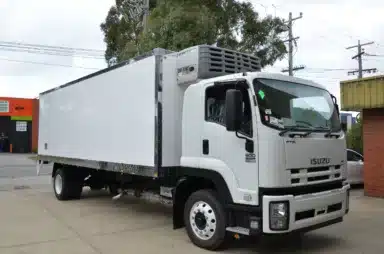
UTE Refrigeration System Installation: What to Expect and How to Prepare
October 27, 2025

When transporting perishable goods, the reliability of your ute refrigeration system is everything. A poor installation doesn’t just lead to higher costs; it can cause temperature fluctuations, spoilage, and cold chain problems that put your business reputation at risk.
Whether you’re upgrading an existing unit or installing a brand new system, understanding the process helps you avoid common transport refrigeration mistakes and get back on the road faster.
With more than 30 years of experience, Tranzfreeze is Australia’s leader in transport refrigeration equipment. We install refrigerated systems on a wide range of vehicles, and offer ongoing support to ensure they remain in top condition. Contact us today for more information.
Why is a proper installation critical?
Installing a ute refrigeration system is more complex than simply fitting a unit onto a vehicle. Every component, from electrical wiring and insulation to airflow design, must work together seamlessly to maintain temperature control under varying loads and weather conditions.
Incorrect installations can lead to:
- Uneven cooling or freezing that damages products
- Reduced compressor lifespan due to poor power connections
- Refrigerant leaks caused by faulty fittings or vibration
- Increased fuel consumption from overworked systems
In short, cutting corners can quickly turn into costly repairs. Choosing a qualified installer like Tranzfreeze (who understands the complexities of transport refrigeration) is the best way to safeguard your investment.
Pre-installation preparation: vehicle requirements and unit selection
Before your installer begins the installation, it’s essential to ensure your ute or light commercial vehicle is ready. The installer will typically assess the following:
- Vehicle condition: The body, insulation, and electrical systems must be in good shape to support the refrigeration unit.
- Payload and size: The type of goods you transport and your required temperature range (such as chilled, frozen, or dual-zone) will determine the best unit for your setup.
- Operating environment: Factors such as ambient temperature, driving routes, and stop frequency all impact unit performance and energy efficiency.
Tranzfreeze technicians can help you select the most suitable refrigeration system based on your daily use. Proper matching of unit capacity and vehicle type helps prevent common vehicle issues like engine strain, battery drain, or compressor overload.
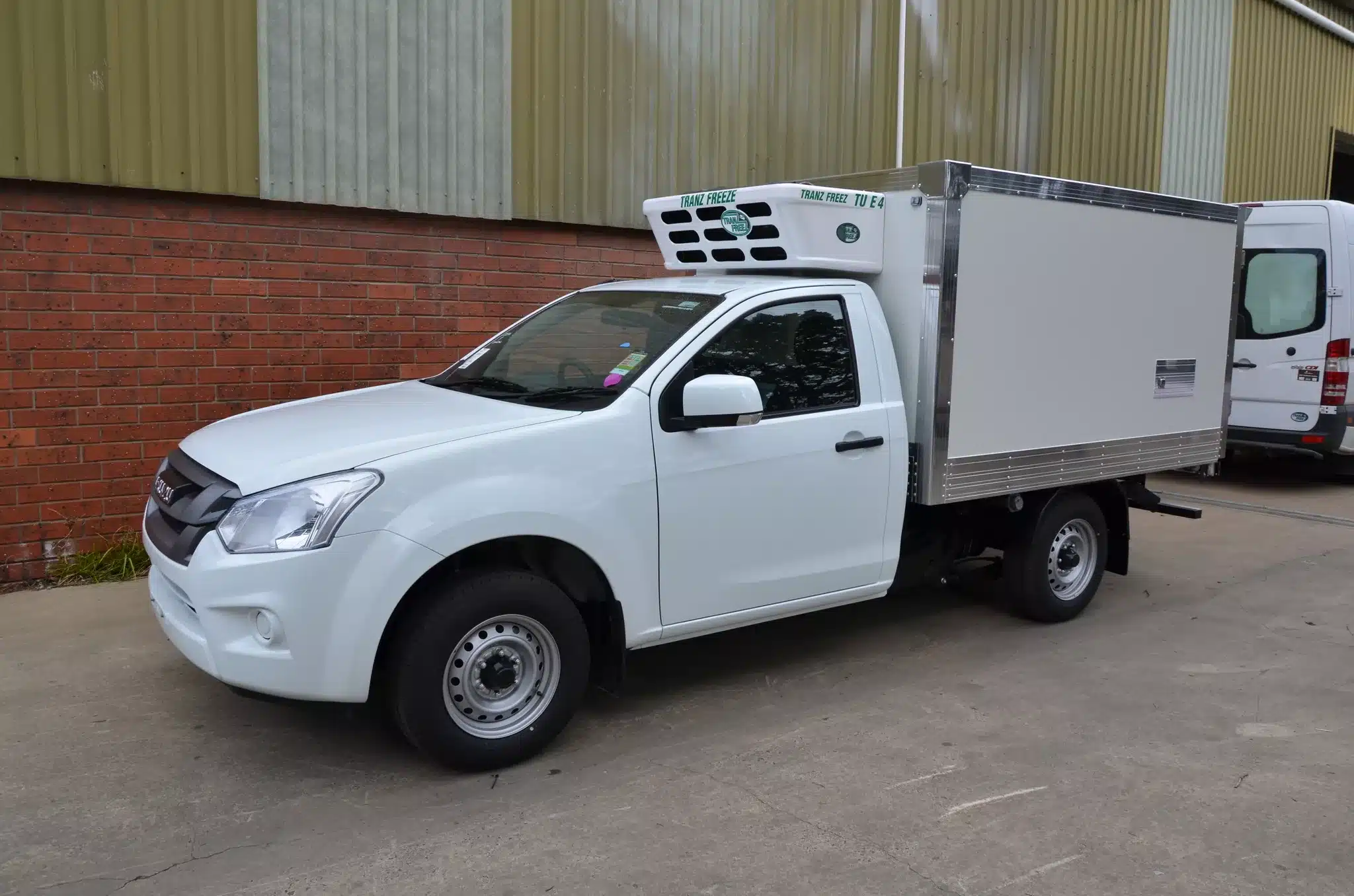
What happens during installation?
The installation process involves several key stages designed to ensure that your system performs reliably from day one.
- Mounting and fitting: The refrigeration unit is securely mounted to the vehicle, and insulation materials are checked or upgraded if needed.
- Electrical connections: Power is wired from the vehicle’s battery or alternator, ensuring consistent current flow and voltage protection.
- Refrigeration line setup: Refrigerant piping, condensers, and evaporators are connected, pressure-tested, and sealed.
- System testing: The unit is run through a series of performance tests to confirm that it maintains target temperatures under load.
A professional installation ensures compliance with Australian safety and environmental standards, minimising the risk of breakdowns or refrigerant leaks down the track.
Timeframe and handover process
For most ute refrigeration installations, the process only takes one to two days (depending on vehicle complexity and unit type). During this time, the technicians will also conduct a thorough inspection to verify that your vehicle is structurally and electrically ready for the system.
Once the installation is complete, you’ll receive a system handover, which includes:
- A full walkthrough of the controls and settings
- Temperature calibration and data logging setup (if applicable)
- Maintenance and cleaning guidelines
- Warranty information and contact details for support
We recommend testing the system with a light load before returning to full operation to confirm temperature stability.
What to check before getting back on the road
Before your first delivery, take a few minutes to run through these final refrigerated transport tips and checks:
- Temperature settings: Verify that target temperatures are accurate and hold steady during short trips.
- Door seals and insulation: Ensure that no air leakage can compromise the system’s efficiency.
- Power source: Check that the alternator and battery maintain adequate voltage when the unit is running.
- Noise or vibration: Listen for any unusual sounds that may indicate loose fittings or an imbalanced fan.
Taking this time up front can save you from the most common transport refrigeration mistakes (like temperature drift or uneven cooling) that often lead to costly product loss.
Keep your cold chain running smoothly
A properly installed refrigeration system is the backbone of any reliable cold chain operation. Partnering with a specialist installer like Tranzfreeze ensures your vehicle is equipped to perform efficiently, safely, and consistently in Australian conditions.
If you’re ready to upgrade or install a ute refrigeration system, contact our team at Tranzfreeze today for expert advice, quality workmanship, and long-term reliability.